
Planning a Wedding in Hawaii from the Mainland: A Local Guide
Planning a wedding in Hawaii from the mainland can feel a little daunting at first. You’re choosing a venue you may have never seen in person, hiring vendors from thousands of miles away, coordinating travel for your guests, and planning one of the biggest days of your life on an island you may only visit once before the wedding, or not at all.
The good news is that this is incredibly normal here.
I grew up on Maui and have worked in the Hawaii wedding industry for more than a decade, first as a wedding planner and coordinator and now as a Maui wedding and elopement photographer photographing celebrations throughout the Hawaiian Islands. The majority of destination couples I work with are planning their weddings from somewhere else.
And with the right team in place, you absolutely do not need to be in Hawaii to plan an incredible wedding here.
Here’s what I recommend knowing before you begin.
First, Choose the Right Hawaiian Island for Your Wedding
Before choosing your venue, decide what you want the overall experience to feel like.
Each Hawaiian island is genuinely different, and the island you choose will shape not only the wedding itself but the entire trip your guests experience.
Maui is wonderful for couples who want a beautiful balance of luxury resorts, private estates, beaches, tropical scenery and an established destination-wedding community. There are incredible venues in Wailea, Makena, Kapalua, Upcountry and along the North Shore. Read my Maui Wedding Venues guide to learn more about where you can get married.
Oahu gives you the largest variety of hotels, restaurants, nightlife and transportation options. You can have a sophisticated Honolulu city celebration, an elegant estate wedding or something completely tropical on the North Shore. If you’re considering Oahu, my Oahu wedding photographer guide is a good place to start.
Kauai feels lush, dramatic and much more secluded. Think incredible mountains, tropical gardens, waterfalls and some of the most beautiful landscapes in Hawaii.
Hawaii Island has enormous variety, from the dry, luxurious Kohala Coast to volcanic landscapes and the lush Hilo side of the island.
Lanai is quiet, intimate and incredibly special for couples wanting privacy and a true getaway. It also works beautifully for very small destination weddings and elopements.
There isn’t one “best” island for a Hawaii wedding. Choose the island that feels most like the experience you actually want to have.
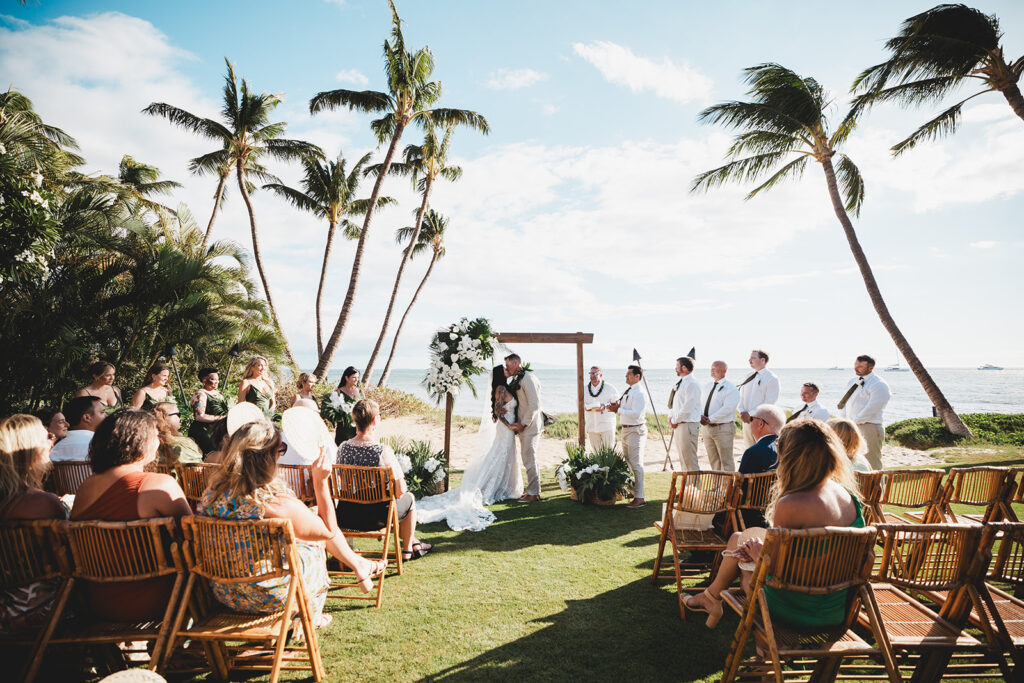
Build Your Local Wedding Team Early
This is probably the single best thing you can do when planning a wedding in Hawaii from the mainland.
You don’t need to learn everything about Hawaii yourself.
You need good local people who already know it.
An experienced Hawaii wedding planner can help enormously with venues, rentals, permitting, transportation and vendor recommendations. Your photographer can help with locations, light, timelines and what will actually work well photographically. Your venue will have its own knowledge of logistics, preferred vendors and what works particularly well on the property.
Hawaii’s wedding community is also relatively connected. Many of us have worked together for years, so your vendors can often point you toward other professionals they know and trust.
That local knowledge is especially valuable when you’re making decisions from afar.
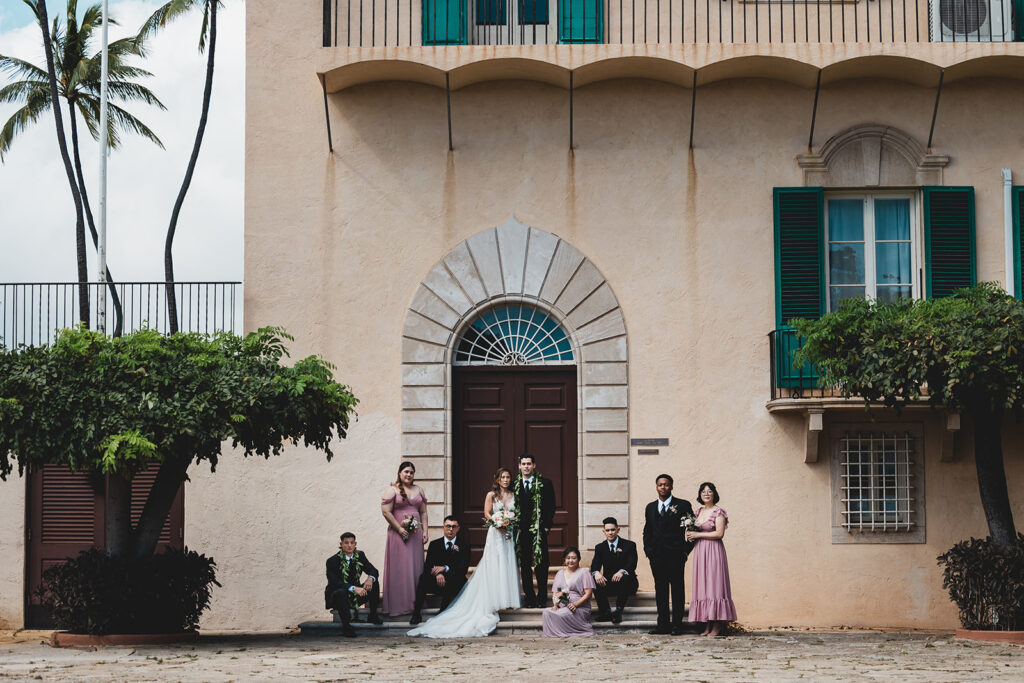
Book the Things That Affect Everything Else First
You don’t need to choose your flowers or design your tables before you know where you’re getting married.
Start with the decisions that determine everything else:
Your island, approximate guest count, wedding style, venue, planner if you’re using one, and the vendors you care most about.
Popular Hawaii venues and established wedding professionals can book well in advance, especially for Saturdays and highly desirable dates. If you have a specific venue, photographer or planner you really want, I wouldn’t wait until every other detail has been figured out before contacting them.
You can build the rest around those foundational pieces.
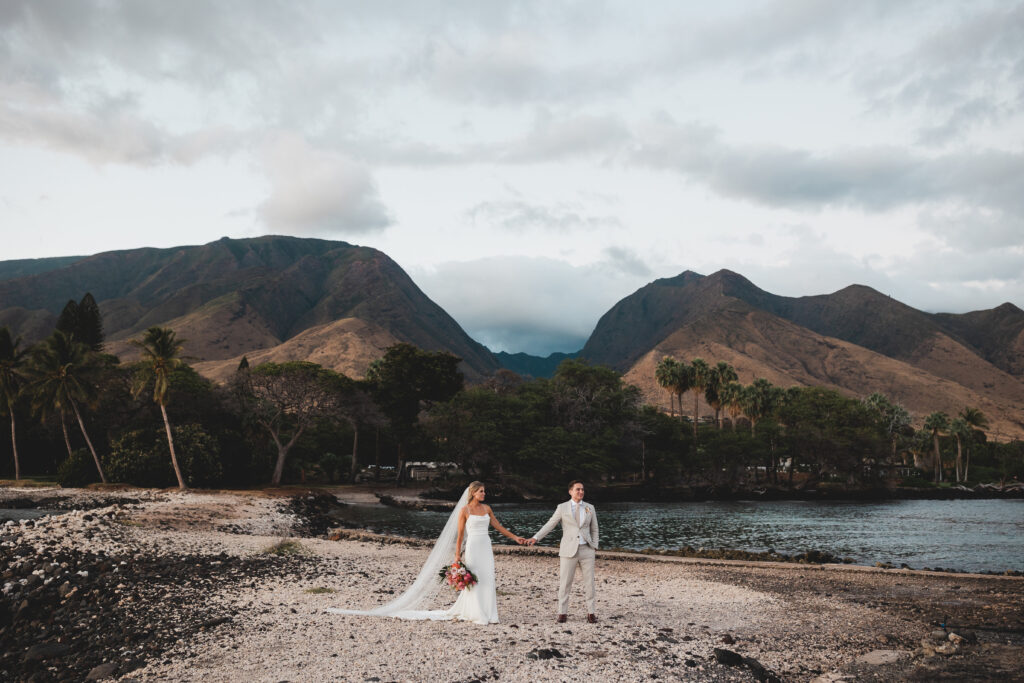
Do You Need to Visit Hawaii Before the Wedding?
No.
It can certainly be fun and helpful to plan a scouting trip, especially if you’re choosing between several venues, but it isn’t necessary for most couples.
A tremendous amount can be handled through calls, photographs, video walkthroughs, floor plans and conversations with local vendors.
Most of my couples plan almost everything remotely.
If you do come to Hawaii before the wedding, use the trip strategically. Tour the venues you’re seriously considering, schedule a tasting if applicable, meet your planner, and perhaps do your engagement photographs while you’re here.
Otherwise, save the trip and trust the team you’ve hired.
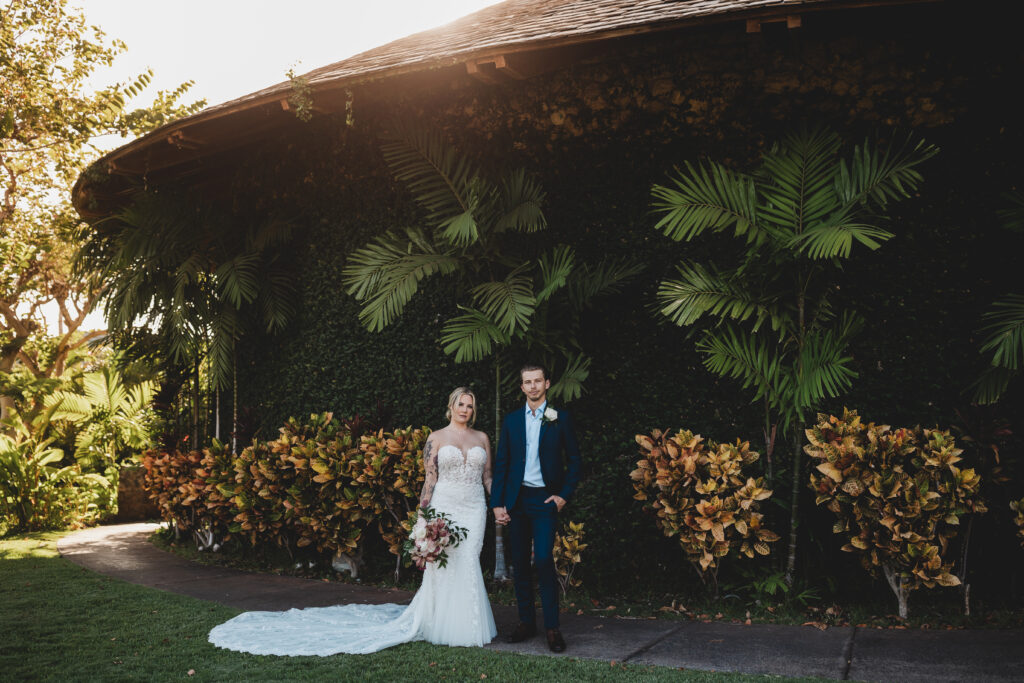
Understand Hawaii’s Marriage License Process
Fortunately, legally getting married in Hawaii is relatively straightforward. I’ve written a page all about obtaining your marriage license in Hawaii, click to view what you need to do.
You can begin the marriage-license application online before arriving. You will then need to appear together in person before an authorized Hawaii marriage-license agent no more than 30 days before your ceremony. Once the license is issued, there is no waiting period, and the ceremony must take place within that 30-day window. Hawaii also does not require you to be a state resident or U.S. citizen to marry here.
Don’t Assume Every Beautiful Beach Is a Wedding Venue
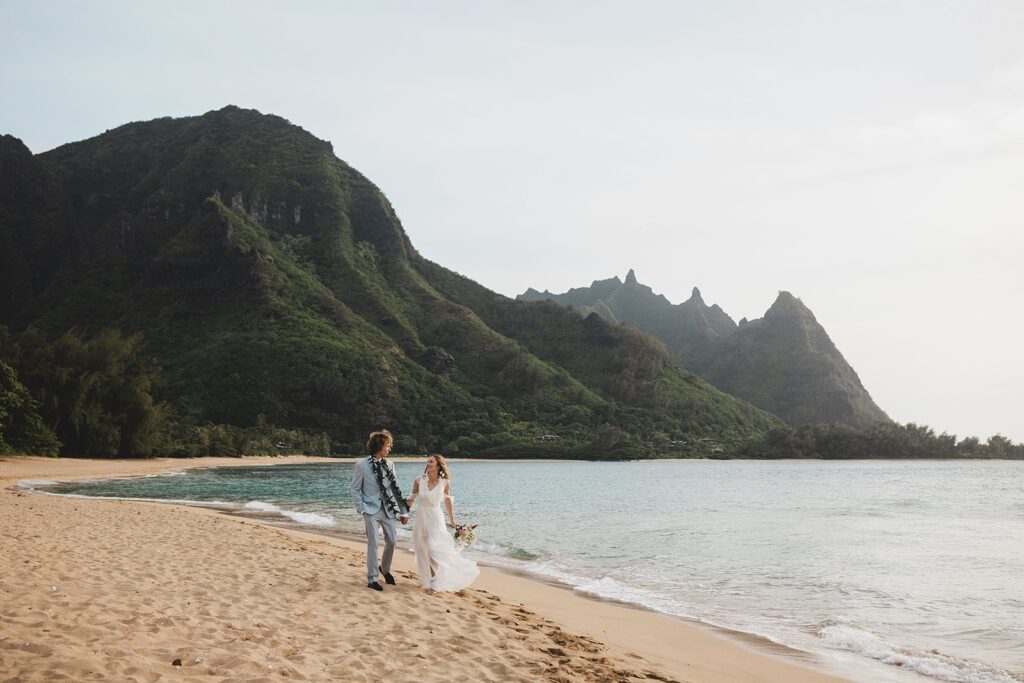
This is an important difference between taking vacation photos in Hawaii and actually holding a wedding ceremony here.
Public beaches and state-managed locations require a permit for weddings or commercial activity, and there are restrictions to follow including no arches, chairs, amplified music among others. Hawaii State Parks also require special-use permits depending on the location and activity. To check if the beach you want is allowed, click to my every beach you can get married on in Hawaii post.
This is another reason having an experienced local planner, officiant or photographer is so helpful.
Rather than finding a beach on Instagram and deciding that’s where you’re getting married, first make sure a ceremony is actually permitted there and that the location works for your guest count, accessibility and setup.
Think About Your Guests Experience Too
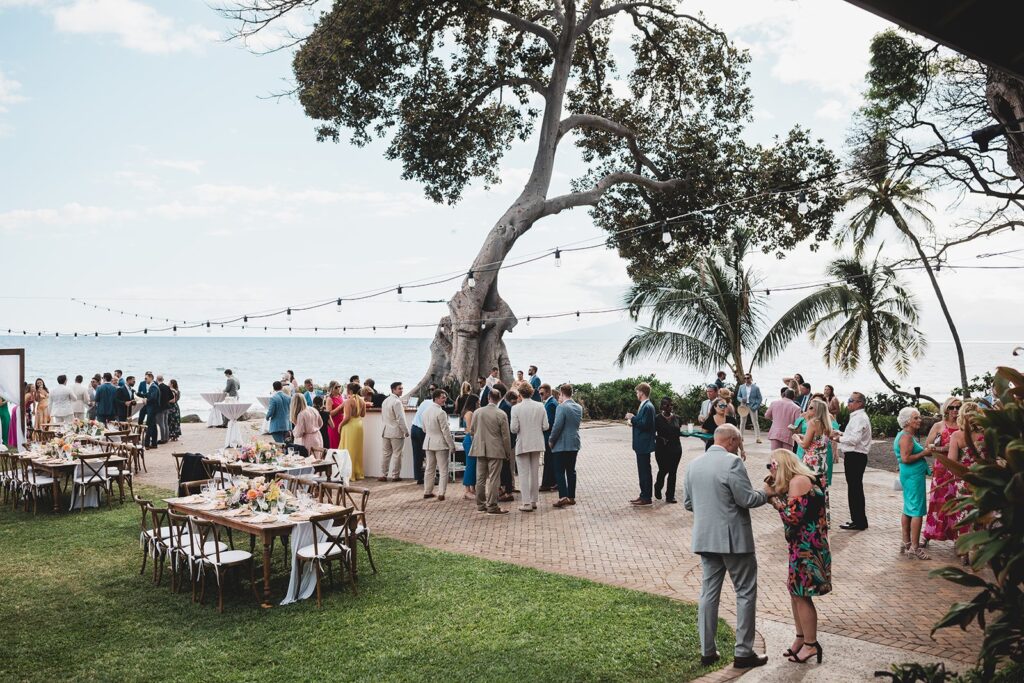
A destination wedding isn’t only a wedding day. For many of your guests, it becomes a Hawaii vacation.
That means location matters differently here.
If guests are all staying in Wailea and your ceremony is an hour away, transportation becomes part of the plan. If you’re choosing a private estate, consider where guests will stay nearby. If people are traveling with children or older relatives, accessibility may matter more than you initially expect.
I think it’s fun when you create one or two opportunities to spend time together outside of the wedding without scheduling every minute of everyone’s vacation.
A casual welcome dinner, sunset drinks, a beach morning or farewell brunch can be enough.
Give your guests time to experience Hawaii on their own, too.
Plan Around Hawaii’s Light, Weather and Sunset
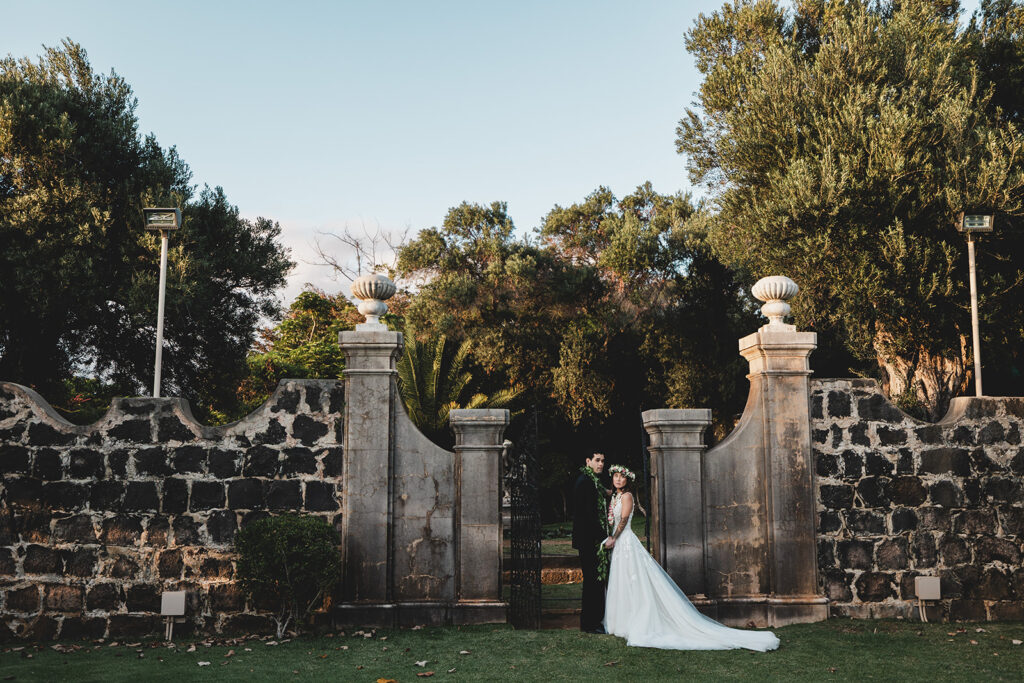
This is one place where having a photographer who regularly works in Hawaii genuinely matters.
The light here is strong, the weather can change quickly, and conditions can be completely different on opposite sides of the same island.
A wedding timeline that looks perfectly reasonable on paper doesn’t always photograph beautifully.
For outdoor weddings, I generally work backward from sunset when helping build the photography timeline. This allows us to put portraits into beautiful light without disappearing from your reception for an unnecessarily long time.
Also, don’t panic over a Hawaii weather forecast a week before your wedding.
Localized rain and brief passing showers are part of island weather, particularly in greener areas. Your planner and photographer will understand the location much better than a generic weather app will.
Give Yourself Breathing Room Before the Wedding
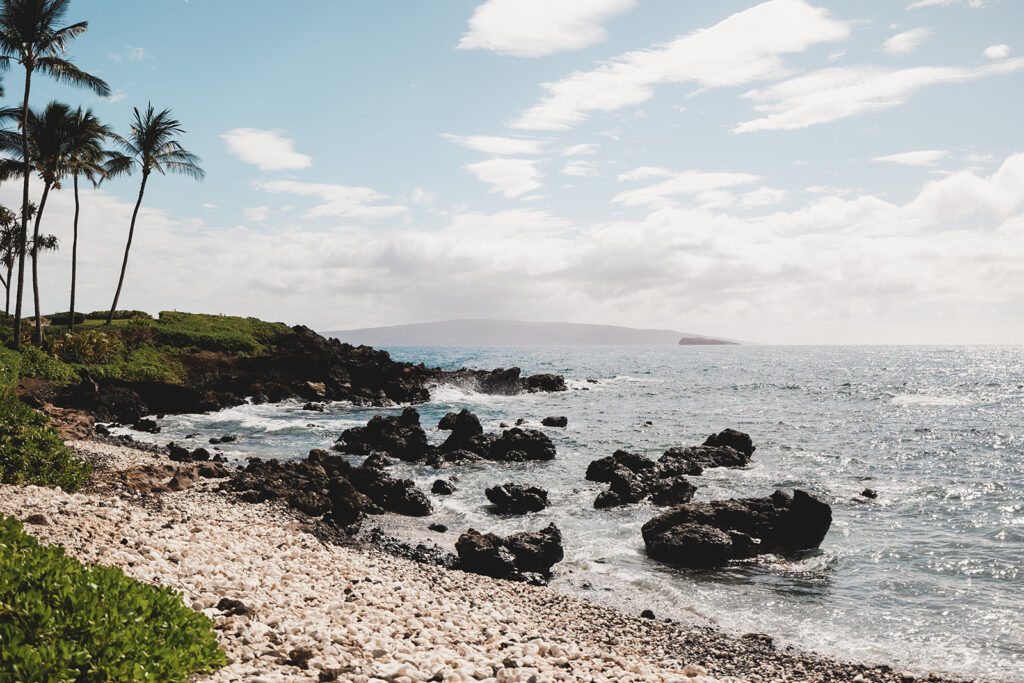
I would never recommend flying into Hawaii the day before your wedding.
Flights get delayed. Checked bags occasionally take their own vacations. And arriving exhausted from a long flight is not the way you want to begin your wedding.
Come a few days early if you can.
It gives you time to settle in, meet with your marriage-license agent, handle any final details and, as importantly, actually enjoy being in Hawaii.
I also recommend not filling every day leading up to the wedding with activities.
Leave yourself some room to be here.
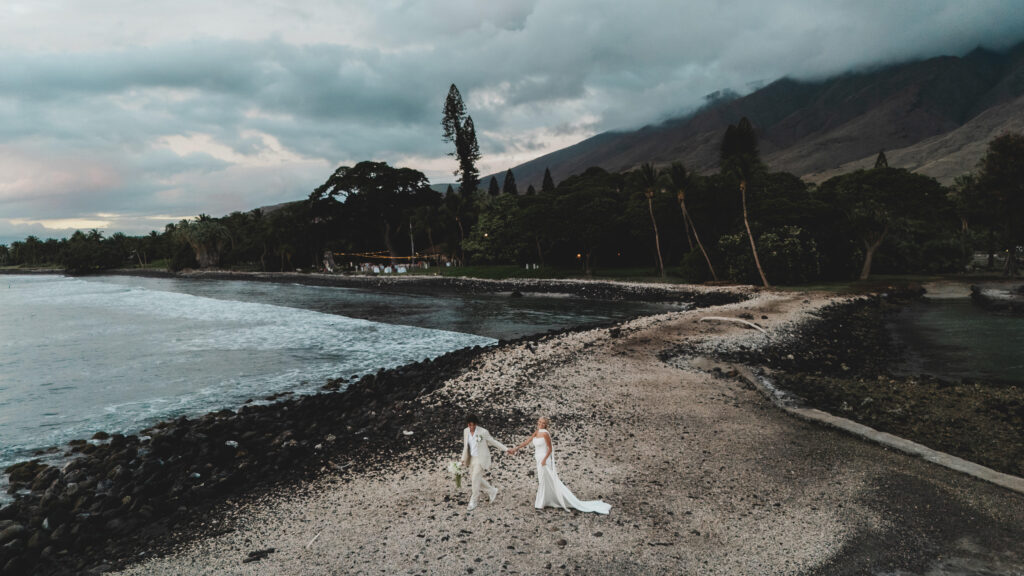
Choose Hawaii Vendors You Actually Trust
When you’re planning remotely, it’s easy to compare vendors primarily by websites, Instagram feeds and pricing.
Look deeper.
Experience working in Hawaii matters. Responsiveness matters. Professionalism matters. Knowing your venue and knowing the other people on your wedding team matters.
And when it comes to photography, look through complete wedding galleries, not only Instagram.
You want to see how a photographer handles the entire day: getting ready, bright afternoon sun, family photographs, ceremonies, sunset, receptions and low light.
Beautiful portraits are important.
Consistent storytelling across an entire wedding day is even more important.
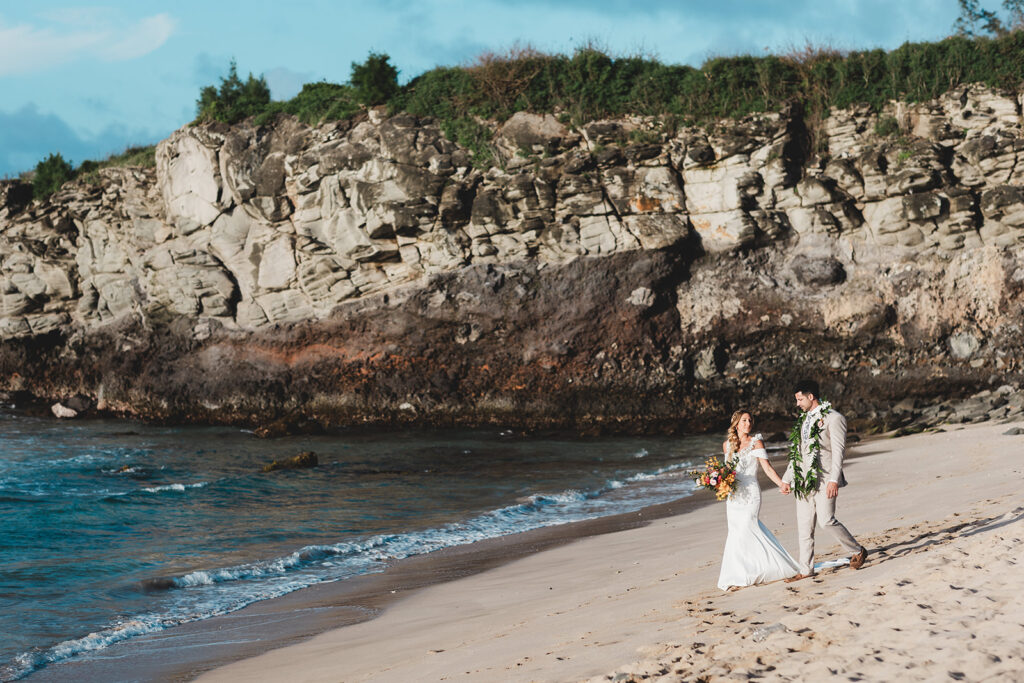
Let Hawaii Be Part of the Wedding
One of the things I love most about destination weddings here is that you don’t need to manufacture the experience.
Hawaii is already extraordinary.
You don’t need to cover every surface with decor or fill every moment of the timeline. Let the landscape show. Leave time to watch the sunset. Choose local flowers when they fit your design. Serve beautiful food. Spend actual time with the people who traveled across an ocean to celebrate with you.
And approach the islands with respect.
Hawaii isn’t just a beautiful backdrop for a wedding. It’s home to a living culture, community and environment. Working with local businesses, respecting access and permitting requirements, learning the correct names of places, and treating the land thoughtfully are small things that matter.
Your wedding can feel elevated without feeling overdone.
Often, the weddings that feel the most luxurious here are the ones that allow Hawaii to do some of the work.
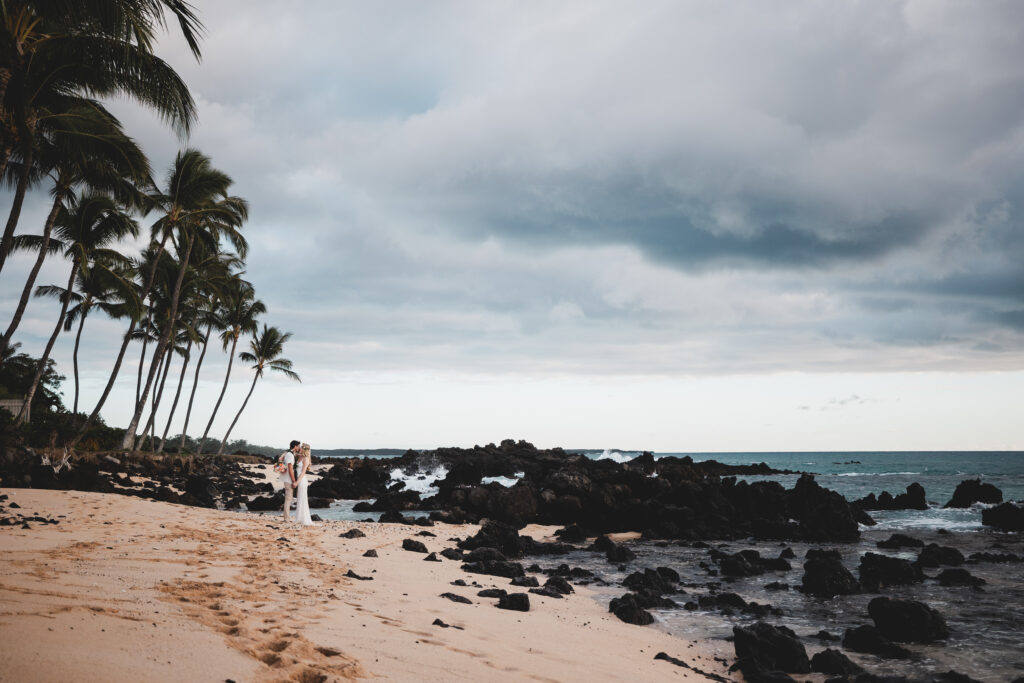
A Simple Timeline for Planning a Hawaii Destination Wedding
If you’re wondering where to begin, don’t worry about doing everything at once.
Start by choosing your island and approximate guest count. From there, select your venue and key wedding team. Then move into travel and accommodations, design, guest logistics and the smaller details.
Several months before the wedding, your planner and photographer can begin refining your timeline and logistics.
As the trip approaches, finalize transportation, reservations and guest communication.
By the time you board the plane, most of the work should already be finished.
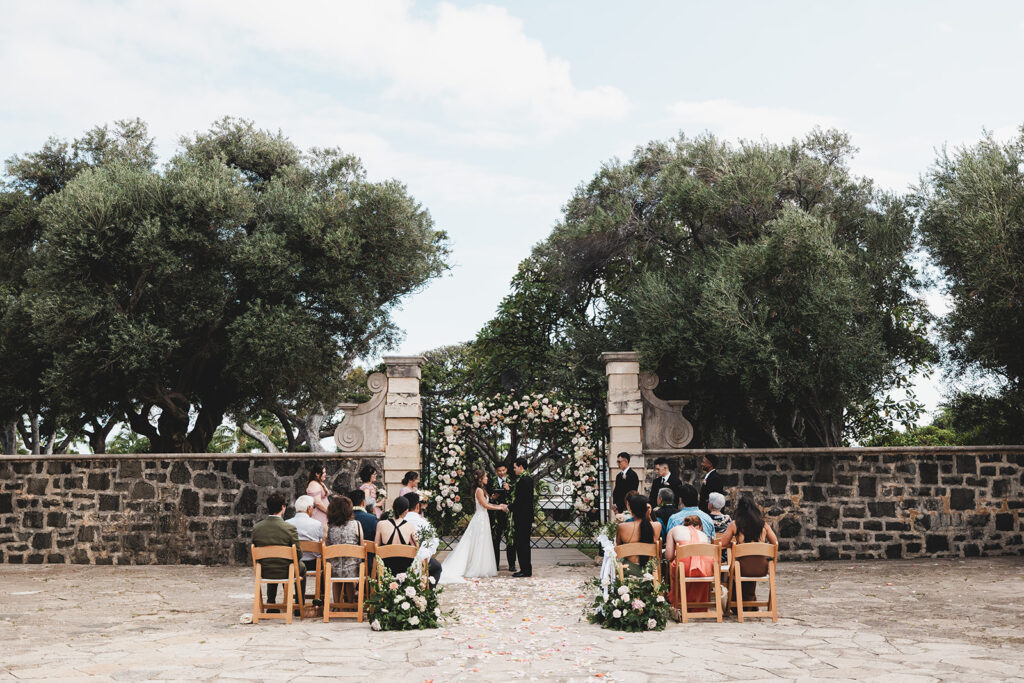
Frequently Asked Questions
About Planning a Wedding in Hawaii From the Mainland
Is it difficult to plan a Hawaii wedding from the mainland?
It doesn’t have to be. Destination weddings are incredibly common in Hawaii, so local planners, venues and wedding vendors are accustomed to working with couples remotely. The biggest difference is choosing experienced people you trust rather than trying to manage every detail yourself from thousands of miles away.
How far in advance should we plan a Hawaii wedding?
For a traditional wedding at a popular venue, I would ideally begin around 12–18 months ahead, particularly if you have specific vendors or a specific date in mind. Smaller weddings and elopements can often be planned on a shorter timeline.
What is the best Hawaiian island for a destination wedding?
It depends on what you value most. Maui offers a beautiful combination of luxury, nature and destination-wedding infrastructure. Oahu offers the most variety and easiest access. Kauai is lush and dramatic. Hawaii Island offers enormous diversity in landscape. Lanai is particularly wonderful for privacy and intimate celebrations.
Do we need a wedding planner in Hawaii?
For a larger destination wedding, I strongly recommend one. For a small wedding or elopement, full-service planning may not always be necessary, but having local professionals who understand permitting, locations and logistics is extremely valuable.
Can we legally get married in Hawaii if we live in another state?
Yes. Hawaii does not have a state-residency requirement for marriage. Couples obtain a Hawaii marriage license, meet with an authorized agent in person and have the ceremony performed by a licensed marriage performer. Hawaii Department of Health
Should we hire a Hawaii-based photographer?
There is a real benefit to hiring someone who understands Hawaii’s light, weather, locations, venues and wedding community. Local knowledge becomes especially useful when you’re planning everything from afar.
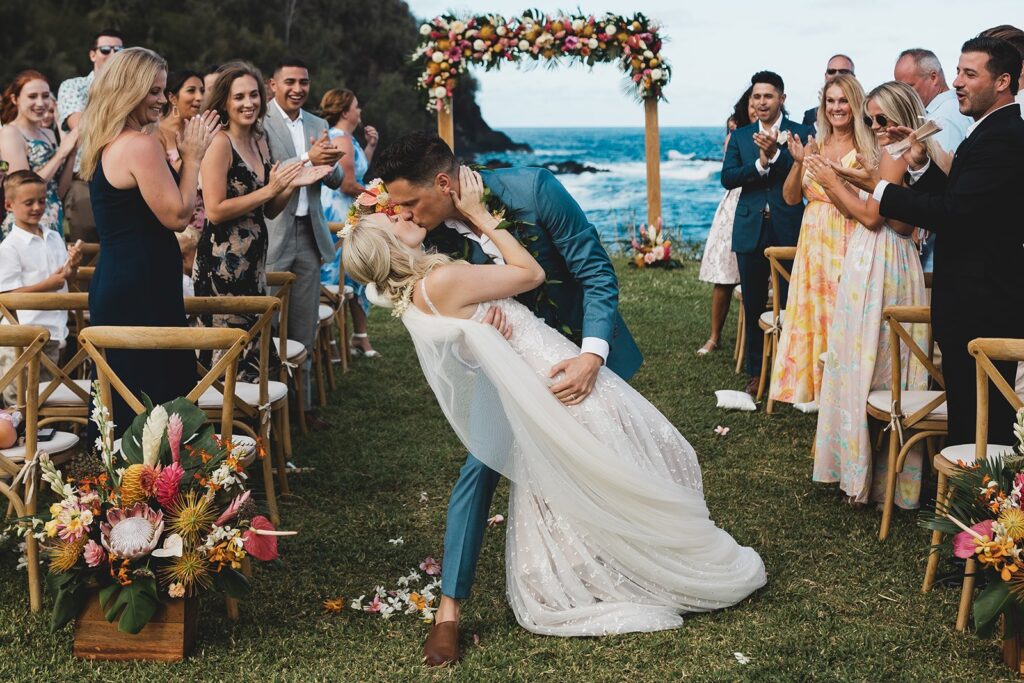
Planning Your Hawaii Wedding From the Mainland
Planning a destination wedding thousands of miles from home requires a little trust.
You don’t need to know every beach, every venue or every vendor before you begin.
That’s what your local team is for.
I grew up here in Hawaii and have spent more than a decade working in the Maui wedding industry, first in wedding planning and coordination and now as a photographer. One of the things I value most is being able to give my couples more than beautiful photographs, I can also help them understand the islands, create a photography timeline that makes sense, recommend people I trust and make the entire experience feel a little easier from the beginning.
If you’re planning a wedding on Maui, Oahu, Kauai, Hawaii Island or Lanai, I photograph weddings and elopements throughout the Hawaiian Islands.
Get in touch here and tell me what you’re envisioning. I’d be happy to help you figure out where to begin.

meet Tara
HERE TO MAKE YOUR Photography EXPERIENCE FEEL EFFORTLESS
Growing up on Maui means I don’t just photograph here, I bring the perspective of a true local expert. I have a lifelong understanding of the island and the details that shape an incredible photography experience.
I know the venues, hidden gems, unique locations, light, the culture, little nuances, and the things that can make such a difference. I'm happy to share this local insight with my couples and be a part of a day that feels thoughtfully tailored, seamless, and beyond amazing.
Whether you have a clear vision or need guidance, I’m here for you. I know planning from afar can feel overwhelming, so I’m here to make the experience feel easy and stress-free, so you can simply enjoy your dream day in paradise.


